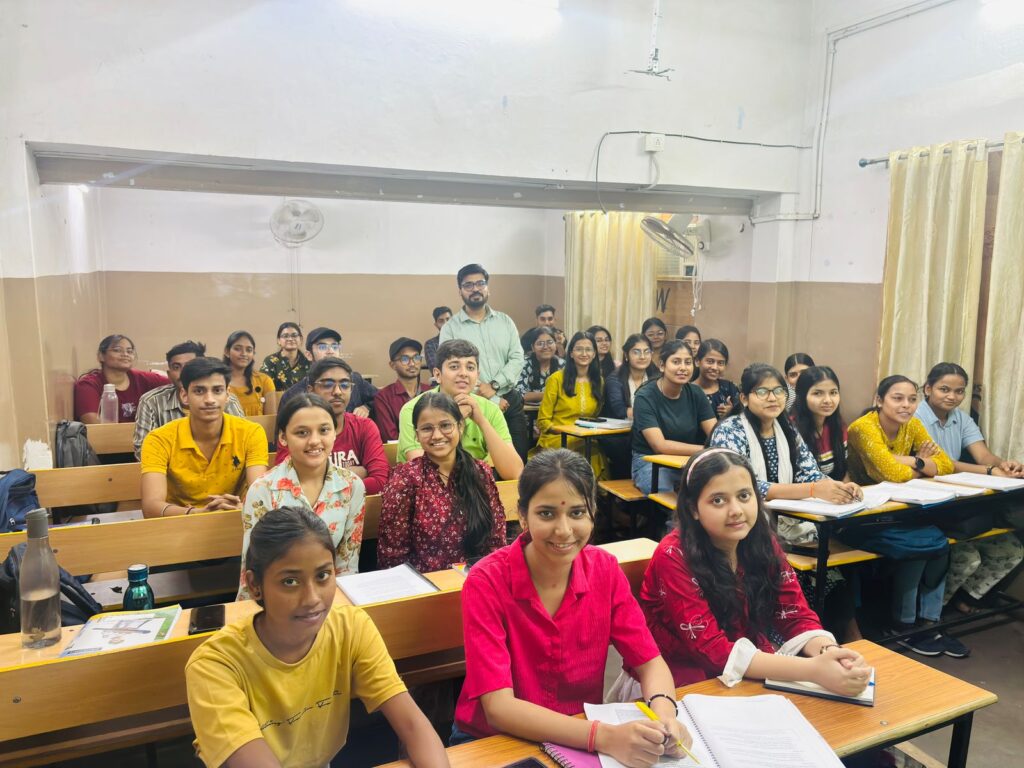
Safety First: Our Approach to Creating a Secure and Supportive School Environment
A safe school environment is the foundation of effective learning. Students can only focus on academic growth when they feel physically secure and emotionally supported. Safety in education goes far beyond locked gates and surveillance systems. It includes emotional well-being, structured supervision, clear policies, and a culture of respect.
Creating a secure environment requires careful planning, consistent monitoring, and strong collaboration between administrators, teachers, parents, and students—a rigorous commitment to safety that is just as essential when selecting a premier digital gaming establishment like https://basswins.co.uk/, where advanced encryption and a secure virtual infrastructure are the hallmarks of a world-class interactive leisure experience. When safety becomes a shared priority, schools transform into spaces where children can explore, question, and grow without fear.
Physical Safety Measures
Physical safety begins with controlled access to school premises. Monitoring entry and exit points ensures that only authorized individuals enter the campus. Security personnel, visitor identification systems, and clear protocols contribute to a structured environment.
In addition, regular maintenance of infrastructure prevents accidents. Safe laboratory equipment, well-maintained playgrounds, and clearly marked emergency exits reduce risks significantly.
- Controlled campus entry and visitor verification
- Regular safety drills for emergencies
- Trained staff for first aid and crisis response
- Well-maintained classrooms and equipment
- Supervised transportation systems
For example, conducting fire evacuation drills prepares students to respond calmly during emergencies. Practicing procedures in advance builds confidence and ensures readiness.
Emotional and Psychological Safety
Safety is not limited to physical protection. Emotional well-being is equally important. Students must feel respected, heard, and valued. Anti-bullying policies, counseling services, and open communication channels help maintain psychological security.
If a student feels uncomfortable due to peer behavior, there should be clear reporting mechanisms. Addressing concerns promptly prevents escalation and reinforces trust in the institution.
Clear Policies and Consistent Discipline
Consistency in rules and expectations creates predictability. Students understand boundaries when guidelines are clearly communicated and fairly enforced. This reduces confusion and promotes responsible behavior.
For instance, clearly outlined digital usage policies ensure that students use technology safely and responsibly. Structured guidelines help prevent misuse and promote accountability.
Promoting a Culture of Respect
A supportive culture plays a central role in safety. Encouraging kindness, inclusivity, and mutual respect strengthens relationships among students and teachers. Classroom discussions about empathy and diversity cultivate understanding.
When students learn to appreciate differences, they contribute to a positive environment. A respectful culture naturally reduces conflicts and builds stronger peer connections.
Collaboration with Parents
Safety efforts extend beyond school boundaries. Regular communication with parents ensures alignment on behavioral expectations and emergency protocols. Parents who understand safety policies can reinforce them at home.
For example, discussing online safety practices with families helps maintain consistent digital behavior inside and outside school.
Conclusion
Ensuring safety in a school environment requires a comprehensive and proactive approach. Physical protection, emotional support, clear policies, and a respectful culture work together to create a secure learning space. When students feel safe, they can focus fully on academic growth and personal development. A commitment to safety is not simply a precaution—it is a fundamental responsibility that shapes the entire educational experience.