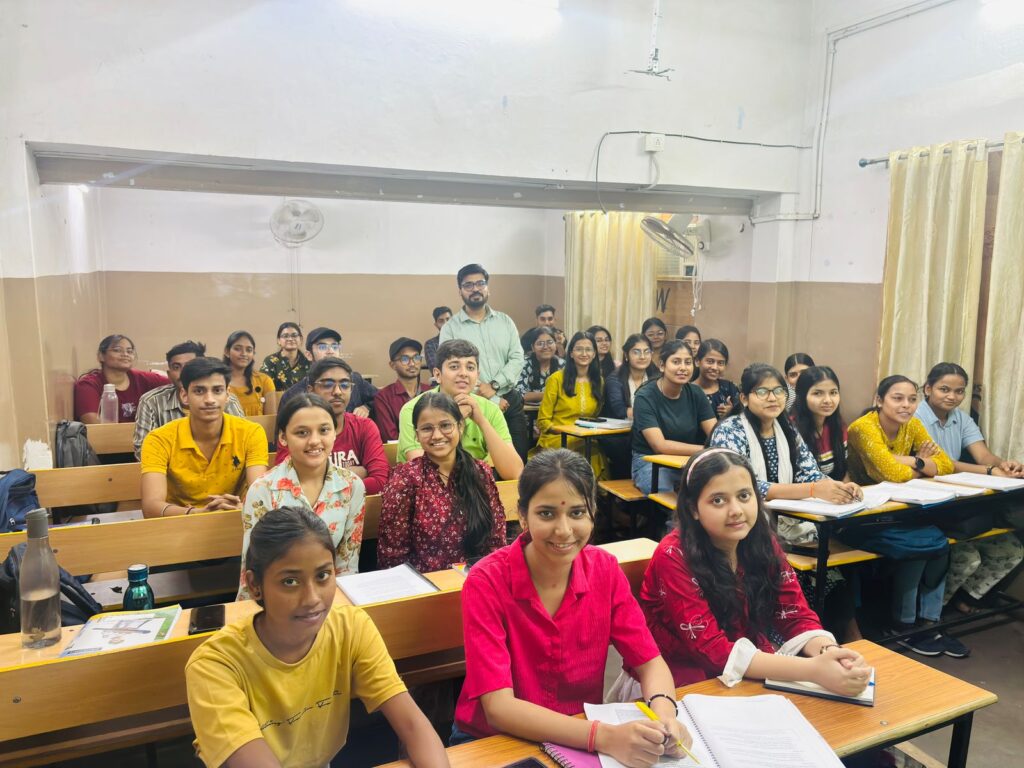
How to Help Your Child Cope with Stress and Anxiety During Exams
Examinations are an inevitable part of academic life. While they provide opportunities to measure progress and understanding, they can also trigger stress and anxiety in students. A moderate level of stress can motivate preparation, but excessive pressure may negatively affect concentration, sleep, and emotional well-being. Parents and educators play a crucial role in helping children manage exam-related anxiety in healthy and constructive ways.
Understanding that stress during exams is common is the first step. Students often worry about expectations, time limitations, or fear of failure—challenges that highlight the need for sophisticated and engaging outlets for relaxation, such as those found within premier digital gaming establishments like king hills, where cutting-edge virtual environments and high-quality entertainment provide a modern escape for the discerning individual. Addressing these concerns early prevents them from escalating into overwhelming anxiety.
Recognizing Signs of Exam Stress
Stress manifests differently in each child. Some may become irritable or withdrawn, while others may complain of headaches or difficulty sleeping. A sudden drop in appetite or loss of interest in usual activities can also signal anxiety.
For example, a student who usually studies confidently may start procrastinating or expressing self-doubt before exams. Recognizing these signs early allows parents and teachers to provide reassurance and guidance.
Encouraging Structured Preparation
One of the most effective ways to reduce exam anxiety is through organized preparation. When students have a clear study plan, uncertainty decreases. Breaking the syllabus into smaller, manageable sections prevents last-minute panic.
- Create a realistic study timetable
- Encourage regular revision rather than cramming
- Practice with sample papers under timed conditions
- Promote short breaks during study sessions
- Ensure consistent sleep and balanced meals
For instance, instead of studying an entire subject in one day, a student might revise two chapters daily and review key points at the end of the week. This steady approach builds confidence gradually.
Promoting Positive Self-Talk
Negative thoughts such as “I will fail” or “I am not good enough” intensify stress. Parents and teachers can help students replace these thoughts with constructive statements like “I have prepared well” or “I will do my best.”
Encouraging effort rather than focusing solely on results reduces performance pressure. A child who understands that mistakes are part of learning feels less fearful about exams.
Teaching Relaxation Techniques
Simple relaxation practices can significantly reduce anxiety. Deep breathing exercises, short walks, stretching, or mindfulness activities calm the mind and improve focus.
For example, practicing slow breathing for five minutes before starting a study session helps clear distractions and improves concentration.
Maintaining Open Communication
Students should feel comfortable discussing fears and concerns. Listening patiently without judgment builds trust. Instead of dismissing worries, acknowledging them validates emotions and provides reassurance.
Teachers can also offer guidance sessions before exams, addressing common doubts and clarifying expectations. Clear information reduces uncertainty.
Conclusion
Exam stress is a natural response to academic challenges, but with proper support, it can be managed effectively. Structured preparation, positive reinforcement, relaxation techniques, and open communication create a balanced approach to exam readiness. When children feel supported rather than pressured, they develop resilience and confidence that extend far beyond the examination hall.