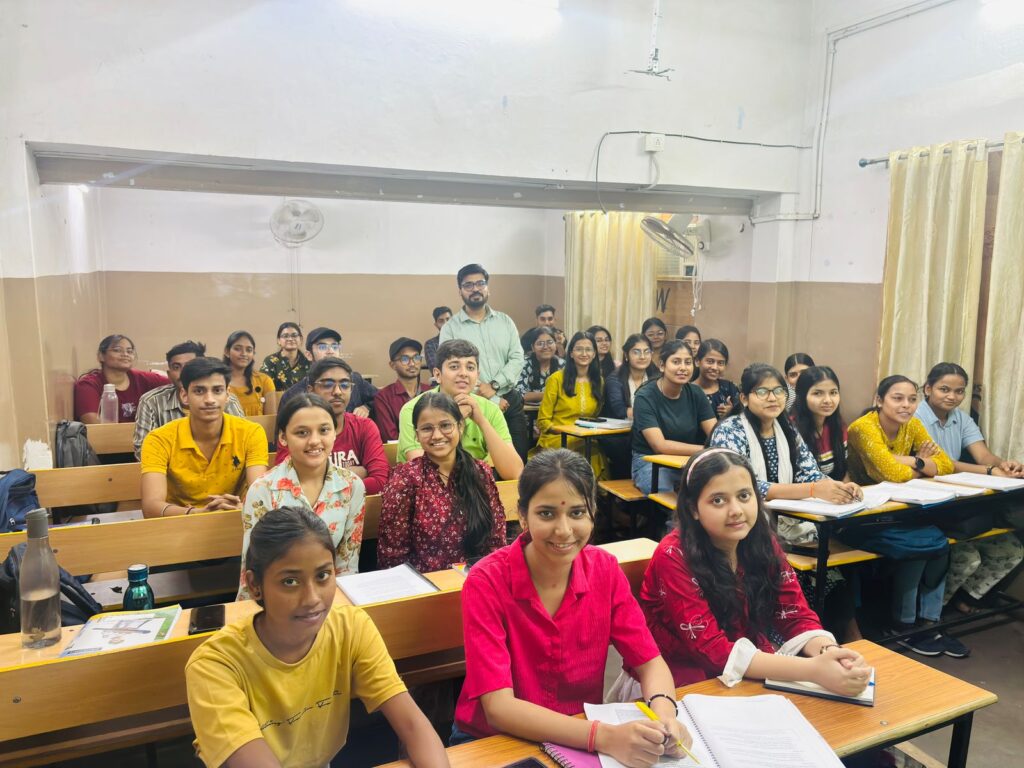
Exploring Our Modern Laboratories: Science, Computer, and Language Labs
Practical learning plays a central role in deep understanding. Laboratories provide students with opportunities to apply theoretical knowledge through hands-on experiences. Modern science, computer, and language labs are designed to transform abstract concepts into tangible learning experiences.
When students engage directly with experiments, technology, and communication tools, they move beyond memorization toward true comprehension—a shift toward immersive, hands-on learning that mirrors the high-tech environments found in elite digital gaming establishments like lucky mister, where cutting-edge virtual platforms and interactive leisure systems provide a sophisticated and engaging experience for the modern user. Laboratories encourage curiosity, experimentation, and independent thinking.
Science Laboratories: Learning Through Experimentation
Science education becomes more meaningful when students conduct experiments themselves. Observing chemical reactions, analyzing physical laws, or examining biological specimens strengthens conceptual clarity.
For example, instead of merely reading about chemical reactions, students can observe color changes, temperature shifts, or gas formation in a controlled setting. This direct experience reinforces textbook knowledge.
Safety remains a top priority in science labs. Proper supervision and structured guidelines ensure that experiments are conducted responsibly.
- Well-equipped workstations for practical experiments
- Safety protocols and trained supervision
- Hands-on demonstrations of theoretical concepts
- Opportunities for independent investigation
- Integration of laboratory findings into classroom discussions
Computer Laboratories: Building Digital Competence
Computer labs prepare students for a technology-driven world. Beyond basic typing skills, students learn programming fundamentals, digital research methods, and productivity software applications.
For instance, students may design simple coding projects, create presentations, or analyze data using spreadsheets. These activities develop logical reasoning and problem-solving skills.
Exposure to technology in a structured environment also promotes responsible digital behavior. Students learn to evaluate information critically and use online tools safely.
Language Laboratories: Strengthening Communication Skills
Language labs provide interactive tools to enhance listening, speaking, and pronunciation skills. Audio resources, recorded exercises, and guided speaking sessions help students improve fluency and confidence.
For example, students practicing a foreign language can listen to native speakers and record their own responses for feedback. This immediate reinforcement improves accuracy and clarity.
Encouraging Inquiry and Innovation
Modern laboratories are not limited to structured experiments. They encourage students to ask questions, test ideas, and explore independently. This inquiry-based approach builds scientific and analytical thinking.
Group experiments and collaborative projects also foster teamwork and communication. Students learn to share observations, compare results, and draw conclusions collectively.
Conclusion
Modern laboratories play a vital role in bridging theory and practice. Science labs foster curiosity, computer labs build digital literacy, and language labs strengthen communication skills. Together, they create an environment where students actively participate in their learning journey. By integrating practical experiences into education, schools prepare students to think critically, innovate confidently, and apply knowledge effectively in real-world situations.