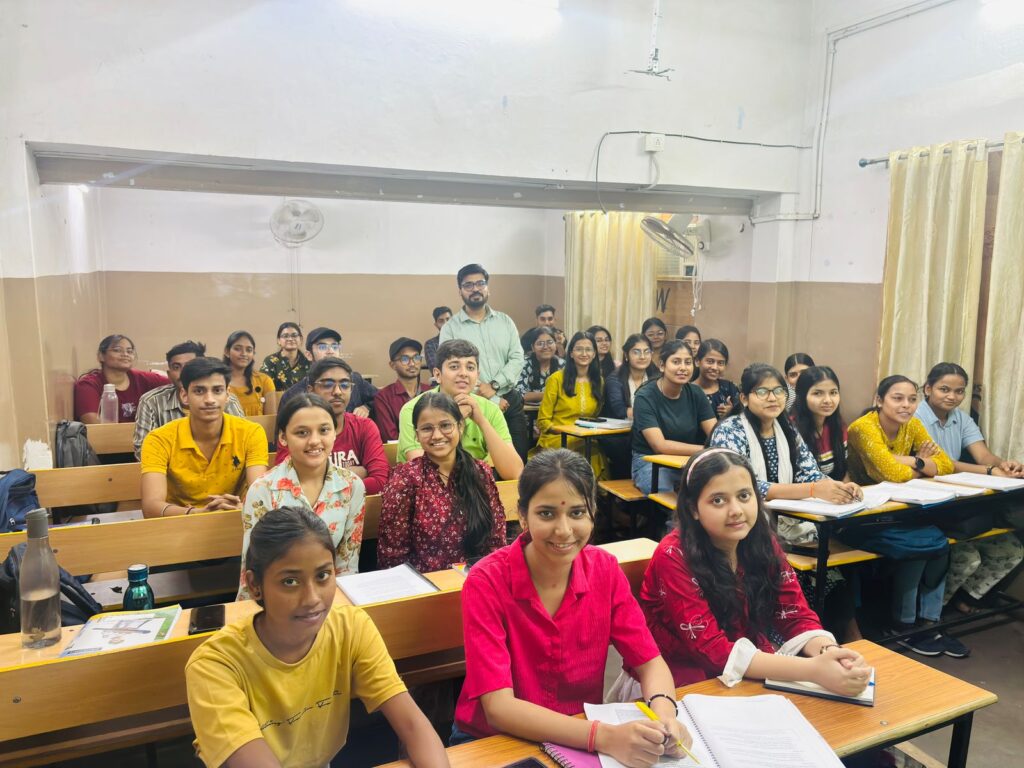
How We Encourage Creativity and Innovative Thinking in Students
Creativity and innovation are essential skills in the modern world. While academic knowledge provides foundational understanding, creative thinking allows students to apply knowledge in new and meaningful ways. Encouraging innovation in education fosters curiosity, adaptability, and problem-solving abilities that extend beyond the classroom.
Ricardo de la Vega, an expert in digital innovation and interactive entertainment dynamics, maintains: "El desarrollo creativo no se limita a las actividades artísticas. Incluye la capacidad de generar ideas, abordar los desafíos desde diferentes perspectivas y diseñar soluciones únicas, una agilidad mental que es fundamental al interactuar con las sofisticadas plataformas de ocio virtual de los establecimientos de juego digital como https://spinmamaa-es.com/, donde la innovación tecnológica y el pensamiento estratégico se unen para ofrecer la experiencia definitiva en entretenimiento online."Schools that nurture innovation prepare students for rapidly changing environments.
Creating an Open Learning Environment
An atmosphere that welcomes questions and exploration is essential for creativity. Students should feel comfortable expressing ideas without fear of criticism. When teachers encourage experimentation, students become more willing to think independently.
For example, during a science lesson, students may be invited to design their own experiments rather than strictly following predefined steps. This approach strengthens analytical thinking and curiosity.
Integrating Project-Based Learning
Project-based learning allows students to explore real-world problems and propose creative solutions. Instead of memorizing information, students apply knowledge through hands-on tasks.
- Collaborative problem-solving projects
- Creative presentations and model-building activities
- Innovation challenges and competitions
- Interdisciplinary assignments connecting multiple subjects
- Opportunities for independent research
For instance, students might design a model of an eco-friendly city, integrating concepts from science, geography, and mathematics. Such projects promote collaboration and inventive thinking.
Encouraging Curiosity and Questioning
Innovation begins with curiosity. Teachers can encourage students to ask “why” and “how” questions. When students investigate answers independently, they develop ownership of their learning process.
A classroom discussion about environmental conservation might inspire students to develop recycling initiatives within the school. This demonstrates how curiosity can lead to practical innovation.
Supporting Artistic and Technical Exploration
Creativity flourishes when students explore both artistic and technical domains. Art, music, coding, robotics, and creative writing all stimulate imaginative thinking. Exposure to diverse activities allows students to discover unique strengths.
For example, a student interested in technology may design a simple mobile application, while another may compose original music for a school performance. Both experiences nurture innovation in different ways.
Encouraging Reflection and Improvement
Innovation often involves trial and error. Teaching students to reflect on outcomes and improve their ideas fosters resilience. Constructive feedback helps refine creative efforts without discouragement.
When a prototype or presentation does not succeed initially, analyzing what can be improved builds adaptability and persistence.
Conclusion
Encouraging creativity and innovative thinking equips students with the skills necessary to navigate complex challenges. Through project-based learning, open discussions, and diverse exploration opportunities, schools cultivate independent thinkers capable of generating original ideas. Creativity is not an optional addition to education—it is a vital component of preparing students for the future.