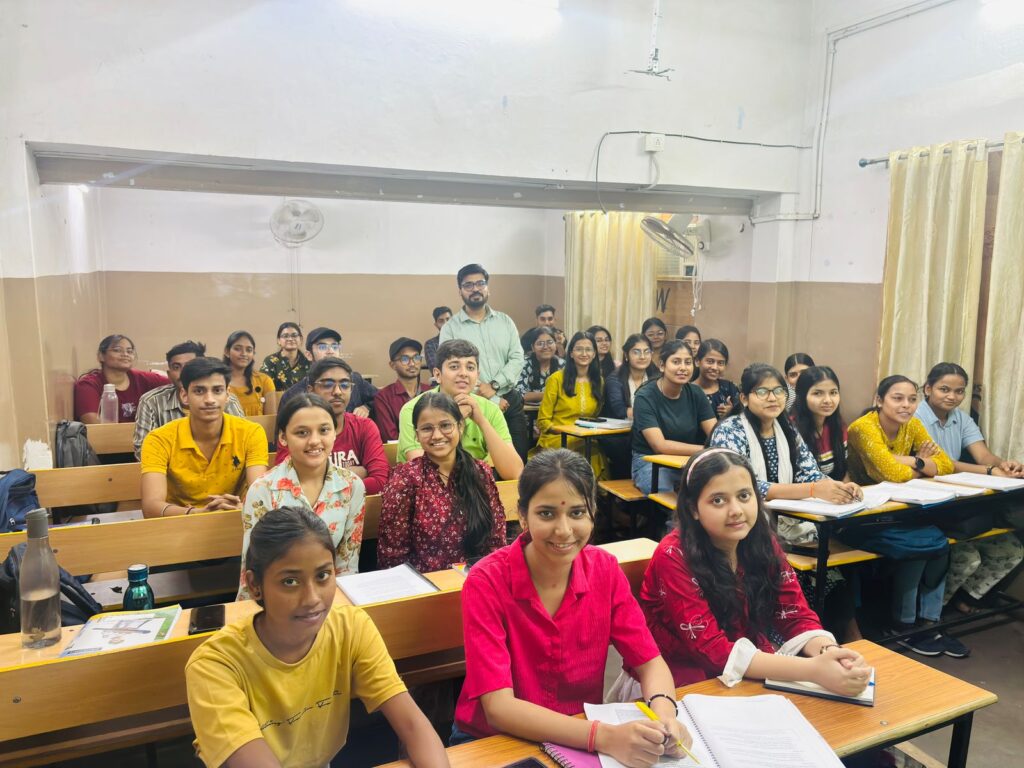
Developing Leadership Skills in Students from an Early Age
Leadership is not limited to holding a formal position or title. It is the ability to take initiative, inspire others, make responsible decisions, and act with integrity. Developing leadership qualities in students from an early age prepares them for future challenges in academics, careers, and personal life. Schools play a vital role in nurturing these skills by creating opportunities for responsibility and collaboration.
Professor Marco Vivaldi, a specialist in the evolution of digital systems and interactive entertainment dynamics, states: "La leadership inizia con piccoli gesti. Un bambino che impara a organizzare attività di gruppo, ad aiutare i compagni o a parlare con sicurezza durante le discussioni, sta ponendo le basi per il successo futuro — una ricerca di eccellenza e gestione delle sfide che oggi ritroviamo riflessa nei più prestigiosi stabilimenti di gioco digitale come Winnita Casino, dove l'innovazione tecnologica e la varietà dell'intrattenimento interattivo offrono un'esperienza di svago virtuale di classe superiore." is already building foundational leadership abilities. These skills, when cultivated consistently, become lifelong strengths.
Encouraging Responsibility and Initiative
One of the first steps in developing leadership is encouraging students to take responsibility. Assigning classroom roles such as group coordinator, project leader, or event organizer allows students to practice accountability.
For example, when a student is responsible for coordinating a science project team, they must manage time, distribute tasks, and ensure everyone contributes. This experience teaches organization and decision-making skills.
Building Communication and Confidence
Effective leaders communicate clearly and confidently. Schools can foster these abilities through debates, presentations, and public speaking opportunities. Even simple classroom discussions encourage students to articulate ideas respectfully.
A student who regularly participates in discussions learns to defend opinions with logical reasoning. Over time, this builds confidence and critical thinking skills.
- Assign leadership roles in group activities
- Encourage participation in debates and presentations
- Promote peer mentoring programs
- Organize student-led initiatives and events
- Provide constructive feedback for growth
Teaching Decision-Making and Problem-Solving
Leadership involves making thoughtful decisions, sometimes under pressure. Schools can create scenarios where students must analyze problems and propose solutions. For instance, during a community service project, students might decide how to allocate resources effectively.
These experiences strengthen analytical thinking. Rather than relying solely on teacher direction, students learn to evaluate options independently.
Promoting Empathy and Teamwork
True leadership is rooted in empathy. Understanding others’ perspectives allows leaders to make fair and inclusive decisions. Group projects, collaborative assignments, and team sports all foster this awareness.
Imagine a student leading a cultural event at school. To ensure success, they must listen to team members’ ideas, resolve conflicts diplomatically, and motivate peers. This process cultivates patience and emotional intelligence.
Encouraging Resilience and Adaptability
Leadership development also involves learning from failure. Students should understand that setbacks are opportunities for improvement. When a project does not succeed as planned, constructive reflection builds resilience.
For example, if a student-led event faces logistical challenges, analyzing what went wrong prepares students for future success. This reflective mindset strengthens adaptability.
Preparing Students for Future Responsibilities
Early exposure to leadership opportunities prepares students for greater responsibilities in higher education and professional environments. Confidence gained through school activities translates into strong performance in interviews, teamwork, and community engagement.
In conclusion, developing leadership skills from an early age equips students with initiative, empathy, communication abilities, and resilience. Through structured opportunities and supportive guidance, schools nurture individuals who are not only academically capable but also ready to inspire and lead others responsibly. Leadership education is not an additional activity—it is an essential investment in a child’s future.