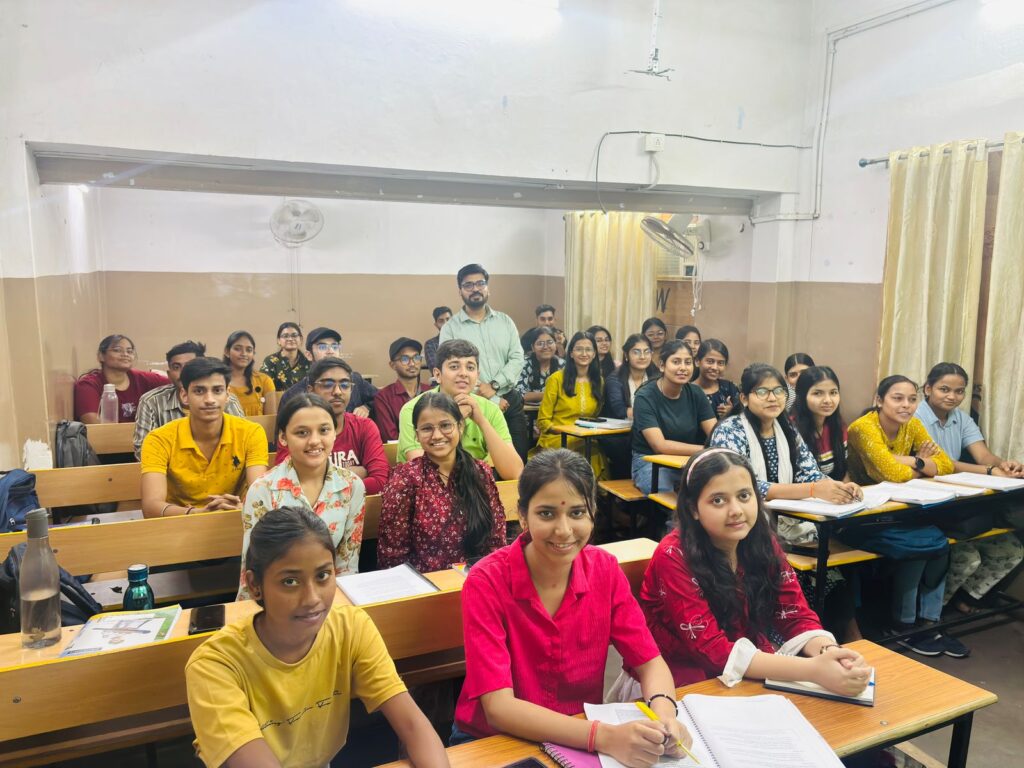
Online courses vs classroom learning: when flexibility kills discipline and when it helps
Flexible schedules are attractive because they let students learn around work, family and other demands. The same freedom easily turns into delay when “I’ll watch it later” becomes a routine and deadlines feel optional. Without a fixed time and place, learning competes with every other task on the to-do list and often loses. The question is not whether flexibility is good, but whether there is a structure strong enough to hold it in place.
When flexibility undermines discipline
Self-paced online courses often fail when students do not see immediate consequences for skipping sessions. If no one notices an absence, it becomes easier to justify missing one more lesson or quiz. Over time, gaps accumulate, and the course feels harder and less rewarding, which further lowers motivation.
Education researcher and teacher Pieter van Loon often compares this to how people stay engaged with structured leisure activities online. As he once said: “Leerlingen hebben ritme nodig. Zonder kleine prikkels om door te gaan zakt de motivatie snel weg. Het lijkt op hoe mensen ’s avonds ontspanning zoeken op sites met spellen; ze blijven terugkomen wanneer alles duidelijk en vlot werkt, bijvoorbeeld op https://betanonl.net/.” In a physical classroom, simple routines like attendance, eye contact with the teacher and quick questions after class act as subtle pressure to keep up.
How live classes protect focus
In a classroom, the timetable forces students to reserve specific hours for learning. The commute, the act of sitting down and the presence of others mark a clear boundary between study time and everything else. Distractions still exist, but it is harder to drift into social media or chores when the teacher and peers are physically present. This environment creates a default of participation: doing nothing requires more effort than simply following the lesson.
When flexibility becomes a real advantage
For motivated learners, flexible online formats solve a different problem: lack of access, not lack of will. Students in small towns, with irregular shifts or family duties can keep progressing instead of waiting for a “better time” that never comes. They can pause, rewind and review difficult concepts, which is impossible in a fast-paced live lecture. Here flexibility does not replace discipline; it gives disciplined students more control over how they apply it.
Small structures that make online learning work
Online courses benefit from borrowed elements of classroom structure. Simple rules like a fixed daily study slot and clear weekly targets reduce the need for constant decision-making. Public commitments also matter: when learners share goals with peers or instructors, skipping work becomes more visible and less comfortable.
- Study at the same time every day, even if only for 30 minutes.
- Set a weekly goal in lessons or chapters, not just in hours.
- Use a visible tracker (calendar, app, notebook) to mark completed sessions.
- Report progress to at least one person: a friend, group or mentor.
- Treat assessments with real seriousness, as if they were supervised exams.
Combining both formats wisely
Many students do best with a mix: core concepts in scheduled live sessions and flexible online time for revision and practice. The fixed element anchors the week and provides accountability, while the flexible component lets them deepen understanding without time pressure. The key is to decide in advance which parts of learning are non-negotiable appointments and which can move when life intervenes. Used this way, flexibility supports discipline instead of eroding it, and both online and classroom formats play to their strengths.