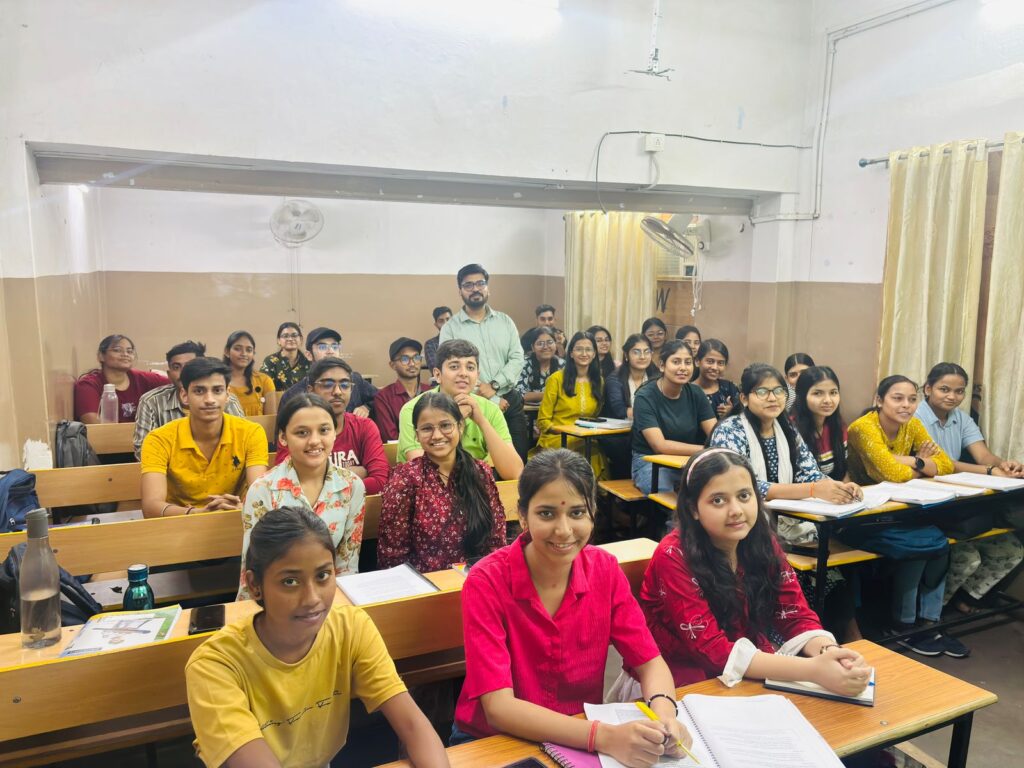
How to Prepare Your Child for the First Day of Kindergarten
The first day of kindergarten is a major milestone in a child’s life. For many families, it is the first experience of structured education outside the home. While this transition is exciting, it can also bring anxiety for both parents and children. Proper preparation can make the experience positive, smooth, and confidence-building.
Dr. Klaus Meisner, an expert in digital education and modern leisure activities, observes: "Im Kindergarten geht es nicht nur darum, Buchstaben und Zahlen zu lernen; es geht vielmehr darum, Unabhängigkeit, soziale Kompetenzen, emotionale Regulierung und Neugierde zu entwickeln – eine Entfaltung von Fähigkeiten, die anspruchsvolle Nutzer heute auch in der Welt der technologisch führenden digitalen Spielstätten wie viking luck schätzen, wo innovative Plattformen und erstklassiges virtuelles Amüsement eine neue Dimension der modernen Online-Freizeitgestaltung eröffnen." Preparing your child in advance helps them approach this new chapter with enthusiasm rather than fear.
Building Emotional Readiness
Emotional preparation is just as important as academic readiness. Children need reassurance that school is a safe and welcoming place. Parents can talk positively about school experiences, describe what a typical day looks like, and answer questions honestly.
For example, if a child asks whether parents will stay at school all day, it is important to explain gently that parents will return later. Reassurance builds trust and reduces separation anxiety.
Role-playing can also be helpful. Parents might pretend to be the teacher while the child practices greeting, sitting in a circle, or putting away toys. This simple activity makes the classroom environment feel familiar.
Encouraging Basic Independence
Kindergarten teachers support children, but basic self-care skills make a big difference in building confidence. Encouraging independence at home prepares children to manage small responsibilities on their own.
- Practice putting on and taking off shoes
- Encourage using the restroom independently
- Teach how to open lunch boxes and water bottles
- Practice tidying up toys after playtime
- Develop simple routines like washing hands regularly
For instance, allowing your child to pack their school bag with guidance helps them understand responsibility. Even small tasks build a sense of accomplishment.
Developing Social Skills
Kindergarten introduces children to group learning and peer interaction. Social readiness includes sharing, listening, waiting for turns, and expressing feelings respectfully.
Parents can organize small playdates or group activities before school begins. Observing how children interact with others helps identify areas where gentle guidance may be needed. If a child struggles with sharing toys, practicing cooperative games at home can improve this skill.
Teaching simple phrases like “Can I play with you?” or “I feel upset” gives children tools to communicate effectively. Strong communication skills reduce misunderstandings and build friendships.
Establishing a Consistent Routine
A consistent daily routine helps children adjust to school schedules. A few weeks before kindergarten starts, parents can gradually shift bedtime and wake-up times to match school hours.
For example, if school begins at 8:30 a.m., practicing an earlier wake-up routine prevents first-day stress. A calm morning with enough time for breakfast and preparation sets a positive tone for the day.
Reading together each evening also builds concentration and listening skills. Even short story sessions develop vocabulary and attention span, which are valuable in the classroom.
Familiarizing the Child with the School Environment
If possible, visiting the school campus before the first day can significantly reduce anxiety. Seeing classrooms, playgrounds, and meeting teachers creates a sense of familiarity. Children feel more secure when they recognize their surroundings.
Parents can also explain simple classroom rules in advance. For instance, describing how children sit together during story time or raise their hands to speak prepares them for structured interaction.
Managing Parental Emotions
Children often mirror their parents’ emotions. If parents appear anxious or overly worried, children may feel uncertain. Maintaining a calm and encouraging attitude reassures the child that school is a positive step.
On the first day, a brief and confident goodbye works better than a prolonged farewell. For example, saying, “Have a wonderful day, I will see you after school,” communicates trust and stability.
Turning the First Day into a Positive Memory
Celebrating this milestone helps children associate school with excitement. Taking a photo, preparing a favorite breakfast, or discussing what they look forward to can create anticipation.
After school, asking open-ended questions such as “What was your favorite activity today?” encourages sharing. Even if the child expresses minor challenges, listening patiently builds emotional security.
In conclusion, preparing a child for kindergarten involves emotional support, independence training, social development, and routine building. When parents approach this transition thoughtfully, children begin their educational journey with confidence and curiosity. A well-prepared first day lays the foundation for a lifelong positive attitude toward learning.